Deadwood: Elevating Design with Characterful Typography
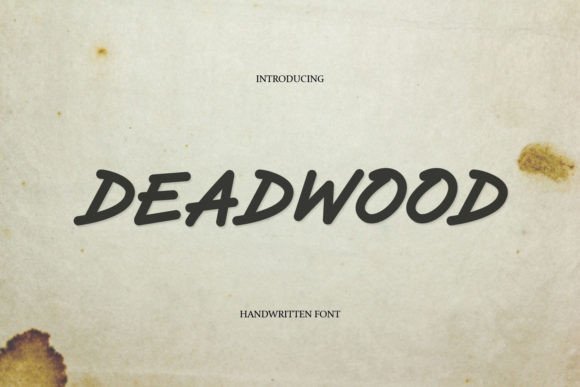
In the crowded landscape of digital assets, finding a typeface that offers both personality and versatility is a rare win. Deadwood, a fun and quirky display font, immediately captures attention with its distinct character, proving itself an incredible asset to any designer's library. Its unique aesthetic has the potential to elevate any creation, from a simple social media post to a comprehensive brand identity, by injecting a dose of authentic, handcrafted charm. This font isn't just letters on a screen; it's a tool for visual storytelling that can set a project apart with its memorable and engaging presence.
Understanding the Role of Display Fonts in Visual Design
In graphic design, typography is a fundamental pillar of visual communication. While body text fonts prioritize readability at length, display fonts like Deadwood are engineered for impact. They are the workhorses of headlines, logos, and key messaging, designed to be seen and felt. A well-chosen display font contributes significantly to the visual hierarchy, guiding the viewer's eye and establishing the tone of the entire piece. In a world saturated with information, the right typeface can cut through the noise, making a brand feel more approachable, creative, or authoritative. Deadwood’s quirky nature, for instance, can communicate innovation, playfulness, or a rebellious spirit without a single word of explanation.
Practical Applications: Where Deadwood Shines
The true value of a creative asset lies in its adaptability. Deadwood’s distinctive style makes it a powerful ally across a wide spectrum of design projects, helping to create cohesive and professional presentations that resonate with target audiences.
Branding and Logo Design: A logo is the cornerstone of a brand's identity. Using Deadwood for a wordmark or as part of a logo system can instantly define a brand as creative, unconventional, and memorable. It’s particularly effective for businesses in creative industries, artisanal products, entertainment, or lifestyle brands that want to avoid a generic corporate feel.
Marketing and Social Media Graphics: Capturing attention on fast-scrolling platforms is paramount. Deadwood excels in creating eye-catching headlines for posters, flyers, and digital ads. Its engaging personality makes social media graphics for Instagram stories, YouTube thumbnails, and Pinterest pins more likely to stop a user mid-scroll, boosting engagement and shareability.
Web and UI Design: While primarily for display, Deadwood can be used strategically in web design for hero section headlines, call-to-action buttons, or feature labels to inject personality into the user interface. It enhances the user experience by creating memorable focal points, though it should be paired with a highly legible font for body copy.
Packaging, Editorial, and Merchandise: On physical products, Deadwood can transform packaging design, making a product stand out on the shelf. It’s equally effective in editorial layouts for magazine covers and chapter headings, or for creating bold, sellable merchandise like t-shirts and tote bags that people love to wear and use.
Tips for Effective Typographic Implementation
Integrating a bold font like Deadwood requires a thoughtful approach to maintain balance and clarity within your design workflow. Here are key considerations:
- Establish Visual Hierarchy: Use Deadwood for primary headlines or key phrases. Pair it with a clean, neutral sans-serif or serif font for subheadings and body text to ensure readability and create a clear contrast.
- Consider Your Audience and Goals: Does the font's character align with your brand voice and the expectations of your target market? A quirky font might be perfect for a youth-oriented brand but less suitable for a traditional law firm.
- Test for Readability and Scalability: Ensure the font remains legible at the sizes you intend to use it, whether on a massive billboard or a small mobile screen. Check how it renders in different colors and against various backgrounds.
- Maintain Consistency: To build a strong brand identity, use the font consistently across all touchpoints. This creates a cohesive visual system that enhances brand recognition and professional presentation.
Ultimately, the most successful designs are built on intentional choices. Typography is not merely a decorative element but a core component of a project's message and personality. Investing in high-quality, versatile creative assets like the Deadwood font empowers designers and creators to work more efficiently, infuse their projects with unique character, and communicate more effectively. By thoughtfully pairing such assets with a solid understanding of color, composition, and audience, you can ensure your work is not only beautiful but also strategically sound and impactful.